333 Casino Bonus and Free Spins in the UK
 Available in GB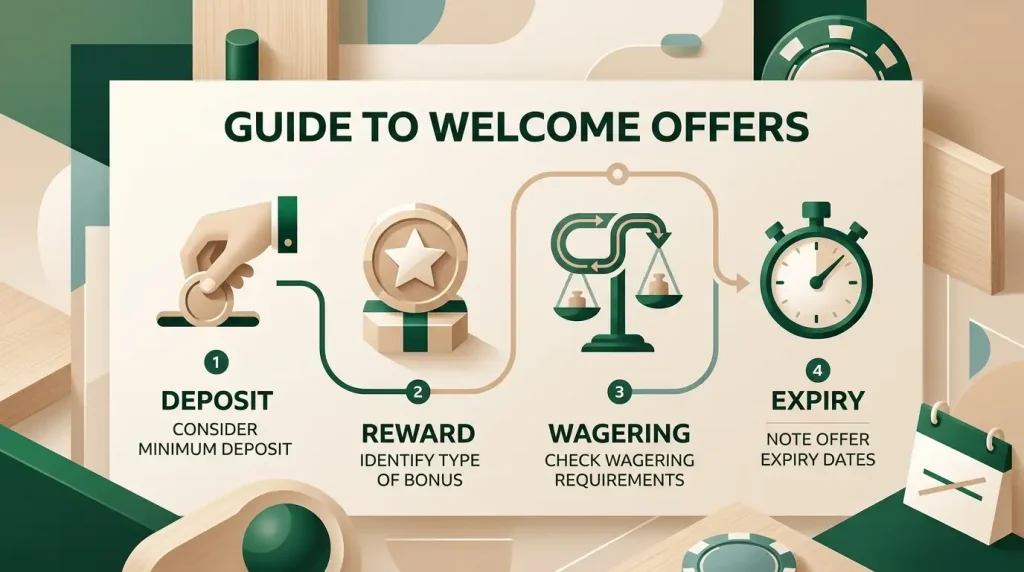
UK casino guide
333 Casino UK Guide
Updated 15 September 2026
The current 333 Casino welcome offer should be treated as live data, not as a permanent product fact. A directory checked on 12 September 2026 lists a ‘Spend £20, Get 50 Free Spins’ promotion, but another recent review still reports that the site was offline during a platform migration. Because those signals conflict, this guide does not present one offer as unquestionably claimable. What is stable for Great Britain is the regulatory benchmark: since 19 January 2026, licensed operators may not set wagering requirements above 10x the bonus funds.
Table of Contents
- The current offer picture is still inconsistent
- Use the 10x UK wagering cap as the first fairness test
- What to check before opting in
- Why old 333 Casino bonus reviews can mislead
- Related 333 Casino checks
- How to judge a 333 Casino offer under the UK’s 10x wagering cap
- How to evaluate a bonus without turning an old offer into a current promise
- Is 333 Casino Licensed and Trustworthy in the UK?
The current offer picture is still inconsistent
available information include a promotion listing and a migration/offline report. Those two facts cannot both be treated as proof that a player can open an account, deposit and receive the reward today. The safe reading is narrower: a welcome promotion is being advertised in at least one current listing, while the operational state of the service remains disputed.
That matters because bonus value begins with claimability. A headline reward has no practical value if registration, deposits or the promotion opt-in are unavailable. Before comparing spin counts or deposit thresholds, check the live site and confirm that the offer appears before you deposit.
Use the 10x UK wagering cap as the first fairness test
The Gambling Commission’s revised rewards and bonuses rules took effect on 19 January 2026. Licensed operators cannot require customers to wager bonus funds more than ten times before those funds become withdrawable. This gives UK players a hard regulatory ceiling that is more useful than old review pages quoting 20x, 30x or 40x conditions.
If a page still describes a 333 Casino promotion with a higher wagering multiple, treat it as historical, stale or otherwise unsuitable as evidence of a current GB offer. A current promotion should also explain which funds are subject to wagering and how winnings are converted or released.
What to check before opting in
Look for the qualifying deposit, reward amount or spin value, eligible games, expiry, redemption limit, and whether a particular payment method is excluded. These details determine whether a bonus is useful to you even when the headline value looks attractive.
Do not assume a bonus code is needed unless the live promotion says so. Likewise, do not assume an old no-deposit offer still exists. The available information do not confirm a fixed current bonus code or a current no-deposit promotion.
Why old 333 Casino bonus reviews can mislead
Bonus pages age quickly because operators change campaigns, platforms and acquisition terms. In this case, migration reporting makes that normal freshness problem more serious. A historically accurate offer can become useless as soon as registration or the cashier stops working.
For a practical decision, pair this page with the current service check and the payment-method page. A bonus should only be evaluated after the site is usable and your intended deposit route is actually available.
Related 333 Casino checks
Use the connected guides below to separate this page’s topic from other decisions that need their own evidence.
Decision check
How to judge a 333 Casino offer under the UK’s 10x wagering cap
Verify the live promotion first, then compare its wagering requirement with the 10x ceiling and read the restrictions that control real value. Until the operational conflict is resolved by a working live site, the responsible conclusion is not that a specific 333 Casino offer is good or bad, but that its current claimability still needs confirmation.
How to evaluate a bonus without turning an old offer into a current promise
A bonus page is one of the fastest parts of a casino review to become outdated, so the useful approach is to read the live terms as a set of conditions rather than focus only on the headline reward. Start by confirming that the offer is actually visible to you and that the qualifying action is clearly described. Then read the conditions in the order they affect your decision: eligibility, qualifying deposit or action, reward structure, wagering, game restrictions, expiry and redemption. If one of those elements is missing or ambiguous, the headline alone is not enough to decide whether the promotion suits you.
Compare the promotion with how you would normally play rather than changing your behaviour simply to unlock it. A reward can look attractive while requiring a deposit, game choice or play pattern that you would not otherwise choose. The practical question is whether the conditions fit your intended session and budget. If they do not, treating the bonus as optional keeps the decision simpler. This also prevents an old directory listing from becoming the centre of the review: a historical offer can show the kind of promotion previously advertised, but it cannot establish what is claimable on the live account today.
Pay particular attention to the difference between bonus funds and cash balance. Terms can describe how each balance is used, which games contribute and what happens when a condition is not met. Read those rules before opting in, not after a withdrawal request. Where the site presents a summary and a longer terms page, use both: the summary helps with orientation, while the detailed terms are where restrictions are normally explained. If the two appear inconsistent, do not guess which interpretation is intended; seek clarification through the current support route before committing money.
Keep a copy of the terms that were visible when you accepted an offer if the site allows you to do so. This is useful because promotions can rotate and the public page you see later may not be identical to the version attached to your account. A simple screenshot or saved page can help you remember the wording, but it should not contain unnecessary personal information. The goal is to preserve the conditions relevant to your own decision, not to create a permanent claim that the same offer applies to everyone else.
The final check is whether the promotion remains understandable without marketing language. You should be able to explain in plain terms what you need to do, what you receive, what limits apply and when the offer ends. If you cannot do that after reading the current terms, the promotion is not clear enough to rely on. This method keeps the bonus section useful even when the exact headline changes and avoids turning time-sensitive promotional data into a fixed promise.
For how to evaluate a bonus without turning an old offer into a current promise, consistency matters more than a single positive or negative impression. Work through the same checks in the same order each time you revisit the service. That makes changes easier to spot and reduces the chance that a prominent headline distracts from a condition that matters more to your use. When the page above distinguishes confirmed information from items that need a current check, keep that distinction intact. It is better to leave a changing detail open for verification than to replace uncertainty with a precise figure or promise that the information shown does not support.
Another useful habit for how to evaluate a bonus without turning an old offer into a current promise is to separate what you can observe from what you are inferring. You can observe whether a control is present, whether a term is displayed or whether a page loads for you. You usually cannot determine the reason for a change from that observation alone. Keeping those two levels separate prevents the page from overreaching. If support provides an explanation, compare it with the account or terms information you can access and keep the wording tied to what was actually communicated rather than expanding it into a broader claim.
This approach also helps when comparing how to evaluate a bonus without turning an old offer into a current promise with another service. Compare like with like: current information with current information, and general policy with general policy. Do not compare a live figure from one site with an old promotional statement from another. If a detail cannot be verified on the same basis, mark it as unresolved rather than forcing a winner. The result is a slower but more dependable comparison that remains useful after cosmetic design changes or routine updates to the website.
If something important about how to evaluate a bonus without turning an old offer into a current promise is unclear, stop at the decision point that depends on it. You do not need every question on the page answered before using the site, but you do need the questions that affect your money, access or expectations answered clearly enough for the action you are about to take. That keeps the check proportional. Minor interface differences can be noted without becoming major warnings, while missing information that directly affects the next step deserves a current check before proceeding.